Derived from neem
The active is derived from the neem tree (Azadirachta indica), a botanical source with a long-established role in plant protection. It works through a botanical mode of action rather than a single synthetic target site.
BEDO Africa supplies a biodegradable, neem-based botanical insecticide concentrate designed to do its work and then degrade into harmless components. We keep our environmental positioning deliberately measured. Every claim on this page is one we can stand behind in front of a procurement officer, an agronomist or an export auditor.
A responsible input is judged as much by what it leaves behind as by what it controls. BEDO Africa's concentrate is formulated around a botanical active from the neem tree (Azadirachta indica) and is intended to break down rather than accumulate in the treated environment.
The characteristics below are the ones we lead with because they are defensible and directly relevant to institutional buyers: governments, NGOs, export-oriented producers and processors who are accountable for what enters their supply chain and their soil.
None of these points is an unconditional safety guarantee. They describe how the product is designed to behave when it is stored, diluted and applied by trained professionals in accordance with the guidance we provide.
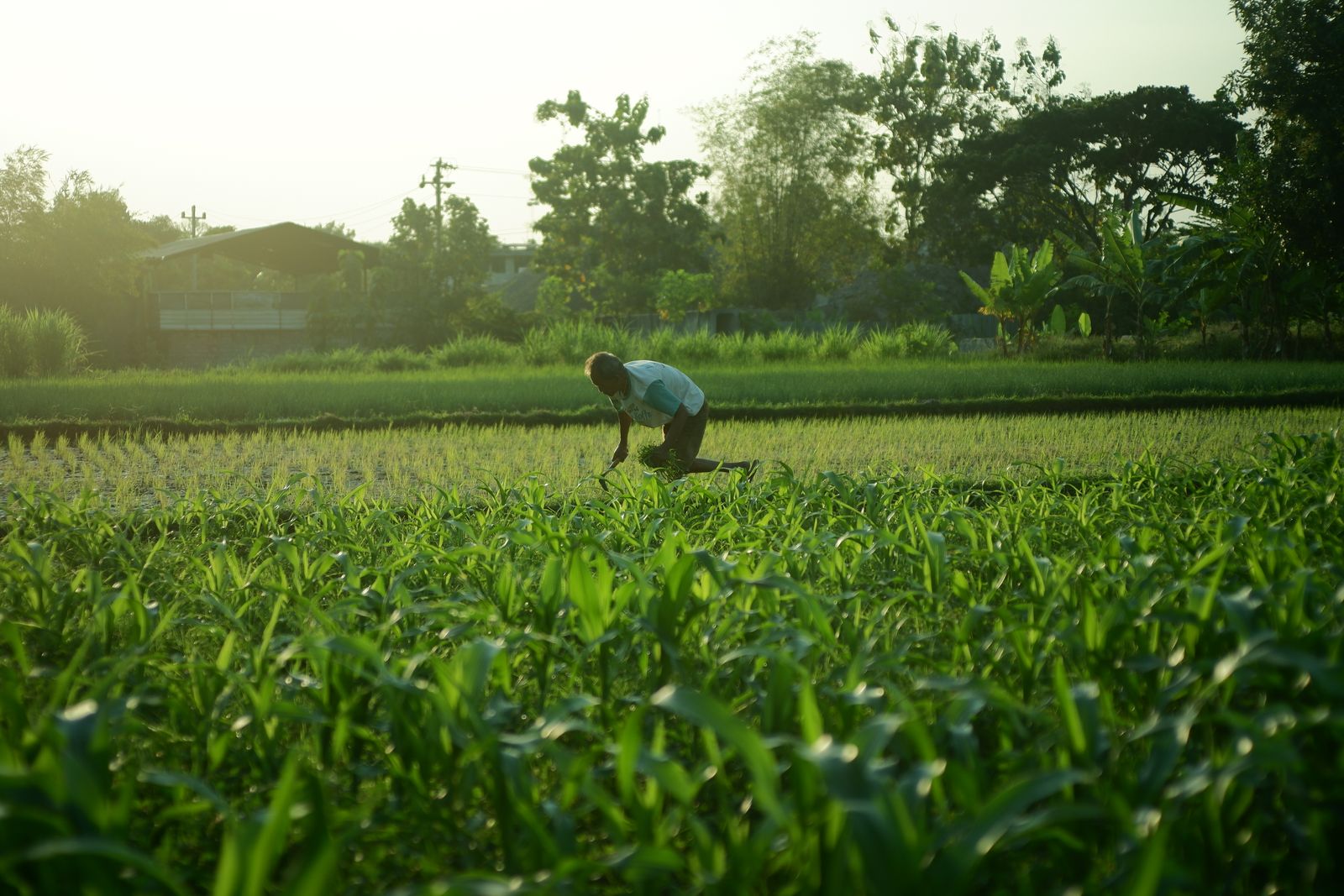
Many synthetic insecticides act on a single biochemical target. Over repeated use, pest populations can adapt and that single point of attack loses effectiveness. A botanical active behaves differently, and that difference is central to how we position the product.
The active is derived from the neem tree (Azadirachta indica), a botanical source with a long-established role in plant protection. It works through a botanical mode of action rather than a single synthetic target site.
Because the mode of action is botanical rather than single-site, the product can help slow the development of pest resistance when used as part of a considered programme. This is a stewardship advantage, not a claim of permanent immunity.
The concentrate is well suited to rotation and resistance-management strategies, giving agronomists a botanical option to alternate with other approved products and reduce reliance on any single chemistry.
We want to be precise about what this does and does not mean. A botanical mode of action helps slow resistance; it is not a cure for it, and no product removes the need for good agronomic practice. Resistance stewardship is a discipline: the right product used in the right rotation, at the right rate, with proper record-keeping. We supply the product and the guidance to use it responsibly, and the outcome depends on the programme it sits within. We do not disclose the formulation, and nothing here should be read as a substitute for advice from a qualified agronomist or the direction of the relevant authorities.
Integrated Pest Management and a policy shift toward bio-inputs are shaping procurement across Kenya and the wider region. A biodegradable, low-residue botanical concentrate fits that direction rather than working against it.
Integrated Pest Management favours a mix of biological, cultural and lower-impact chemical tools over blanket reliance on synthetics. As a botanical, low-residue input, the product is well suited to sit inside an IPM programme as one considered component.
Kenya and neighbouring markets are increasingly encouraging biopesticides and bio-inputs in agricultural policy and procurement. Our positioning is built to align with that direction, though we make no promises on behalf of any regulator or tender authority.
Coffee, tea, horticulture and other export streams face strict Maximum Residue Level (MRL) scrutiny in destination markets. A low-residue botanical option is directly relevant to producers who must protect crops without compromising export compliance.
We should be clear about the limits of what we can say. Policy direction and market preference are genuine tailwinds, but they are not guarantees. Registration status, tender eligibility and MRL acceptance are determined by the relevant authorities and buyers in each market, not by BEDO Africa. What we offer is a PCPB-registered product whose profile is consistent with where the sector is heading, backed by documentation for those who need to verify it. See how the product is used across sectors on our applications page, and how it is made and controlled on our manufacturing & quality page.
BEDO Africa supplies the product strictly for professional and commercial use, meaning governments and tender bodies, NGOs, commercial farms, processors, pest-control operators and distributors. It is not a retail consumer product, and its environmental credentials depend on it being handled by people who know how to store, dilute and apply it correctly.
General handling, storage and dilution guidance is available on request to qualified buyers. This guidance supports safe and effective use; it is not a disclosure of the formulation, which remains proprietary. Buyers who need formal documentation for procurement, regulatory or export files can request the relevant materials, and we will share what is appropriate to a qualified enquiry.
Responsible use is a shared undertaking. We describe the product accurately, provide the guidance and documentation to use it well, and expect it to be applied in accordance with that guidance and with local regulation.
Whether you are building an IPM programme, weighing MRL-sensitive export crops or evaluating bio-inputs for procurement, we are glad to talk through where the product fits and where it does not.